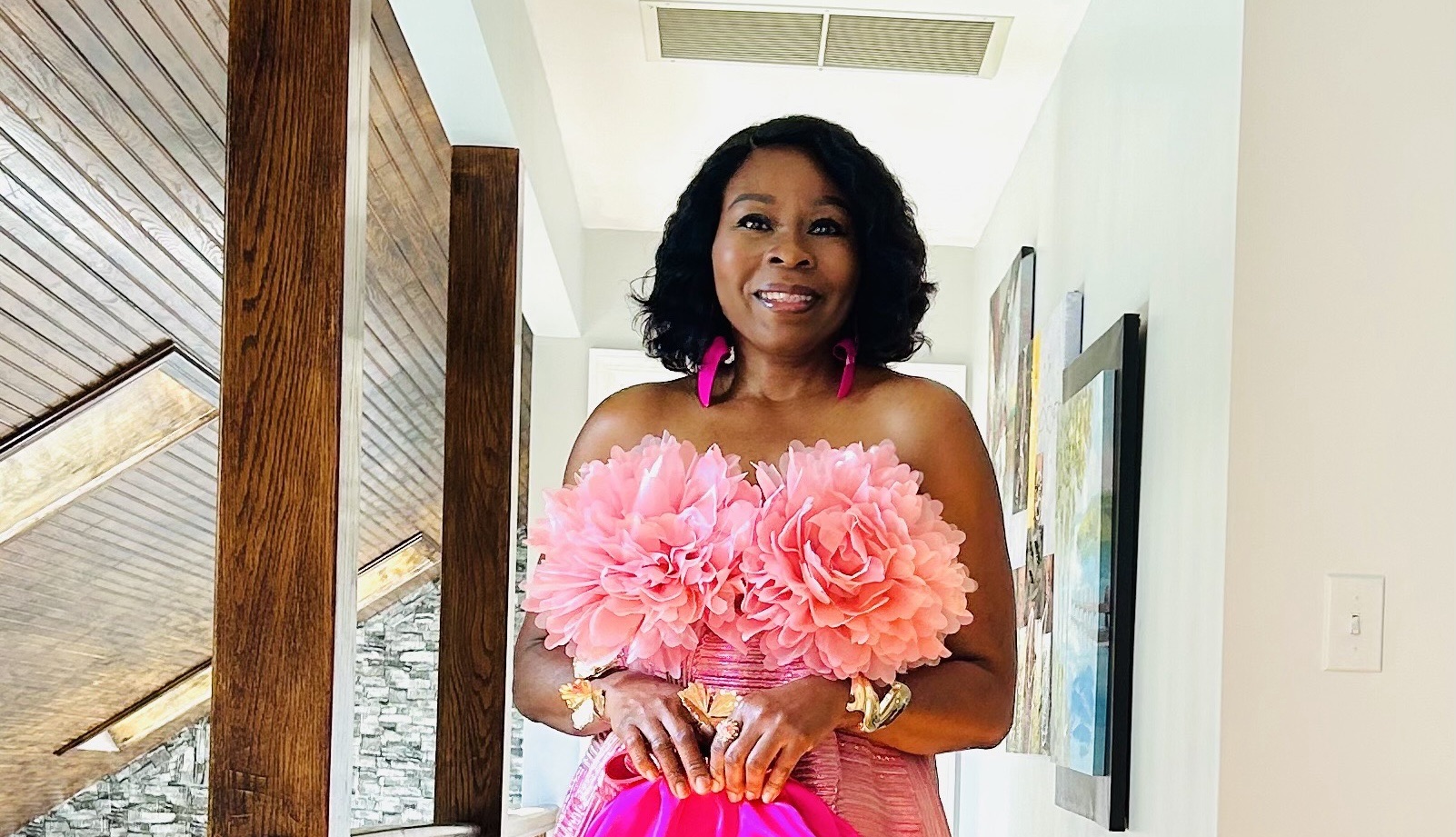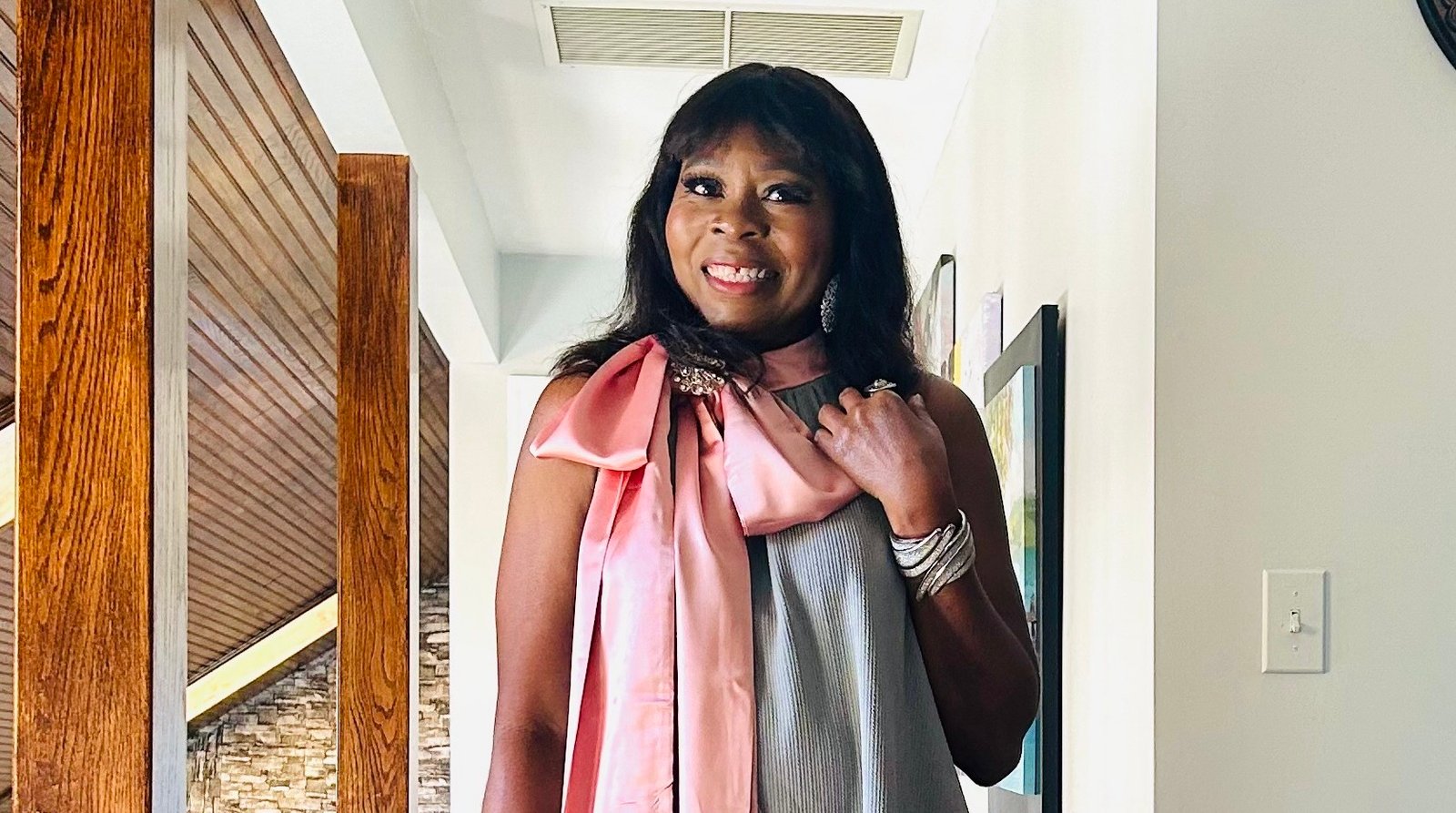
By Funmilayo Eyesan Fashion Theorist
Why Style Is a Practice, Not a Personality
Elegance is not inherited. It is engineered.
Elegance is rarely accidental. It is not inherited, discovered, or conferred by circumstance. It is disciplined. It is engineered. The myth of effortless style — the illusion that poise, a perfectly draped jacket, or an impeccable silhouette arises spontaneously — is seductive. It is also false. True elegance is a practice: a system of decisions, calibrations, and refusals executed over time. It is not personality. It is method.
In the culture of image, style is too often treated as a confession of who one already is. The more rigorous truth is that style is an active language — a set of visual signals that communicate identity, authority, and taste. The woman who commands a room is not necessarily the one in the most conspicuous dress. She is the one who understands the grammar of presence. She knows that line, fold, and restraint carry meaning. Every garment is a sentence. Every silhouette is a paragraph. To dress with discipline is to write with clarity.
The first task is to dismantle the fantasy of effortlessness. Media culture circulates images of perfection: the magazine cover, the red carpet, the supposedly unstudied street-style figure. These pictures suggest innate style. What they conceal is the architecture beneath them — tailoring, cut, the behavior of fabric, the quiet agreement between line and proportion. Style does not emerge from whim. It emerges from observation, analysis, and repetition.
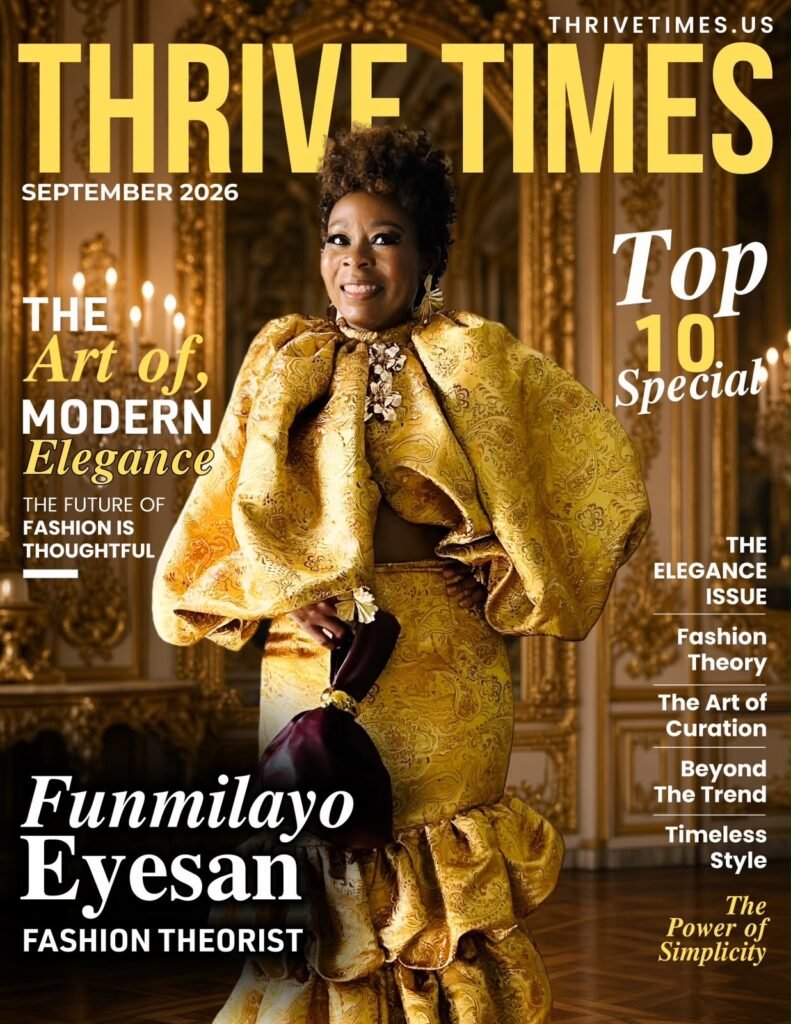
Structure, not novelty, is what sophistication requires.
Proportion is the first instrument. A jacket slightly too wide, a hemline slightly too long, a neckline slightly misaligned can unbalance an entire ensemble. Elegance is geometric. It obeys rules of visual weight. The woman who masters proportion can wear a plain black dress and eclipse a more ornamental look, because discipline is visible in the details others overlook.
Discipline is also strategic. Restraint — the decision to subtract rather than add — is its most misunderstood expression. Excess, even beautiful excess, dilutes authority. Contemporary culture has learned to confuse visibility with success and ornament with presence. Elegance is measured. It reserves energy. It speaks in implication rather than declaration. Restraint is not austerity for its own sake. It is confidence made visible: the communication that nothing further is required.
Silhouette is the second instrument. How a garment meets the body, how it moves, and how it organizes the viewer’s eye determine whether clothing remains clothing or becomes a statement. A considered silhouette does not petition for attention. It structures the space it occupies. Authority is felt before it is announced. Discipline lives in the lines that do not need to explain themselves.
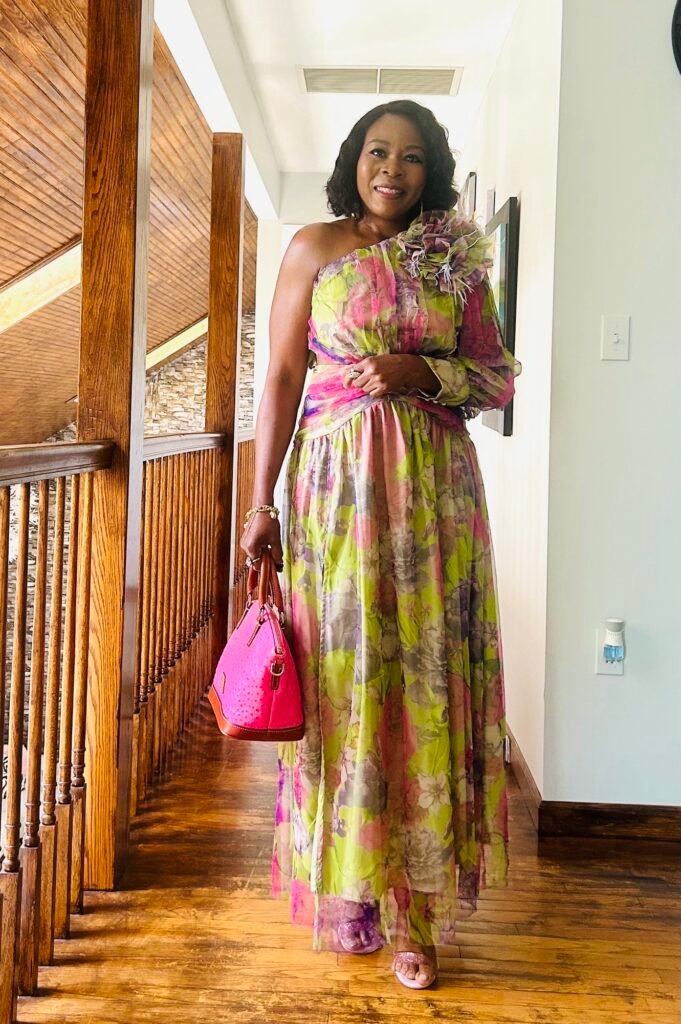
History confirms the method. Coco Chanel introduced modern structure into a fashion world still bound to ornament and constriction. Her garments restored movement without abandoning shape — discipline expressed as form. Contemporary figures who hold a room do so less through embellishment than through calculated presence: measured gesture, considered layering, a coherent line that states identity without footnote. In every case, the essence is methodical, not spontaneous.
But method without practice remains theory. Elegance is cultivated across years of looking, trying, failing, and revising. One studies shape, fabric, and combination. One observes impact. One refines. Mastery is not an event. It is rehearsal that does not end.
To practice disciplined style is to engineer the self in public. The cut of a coat, the line of a sleeve, the harmony of color — none of these details exists in isolation. They belong to a system designed to communicate clarity, authority, and taste. The disciplined dresser is both architect and occupant: she designs with forethought and inhabits the result with composure.
The cost of neglecting this work is quiet but decisive. Poor proportion and surplus detail produce dissonance. Presence fractures. Attention may still be captured; respect is not. Elegance is not applause. It is coherence. A disciplined image is legible. It is consistent. It communicates competence as clearly as it communicates taste.
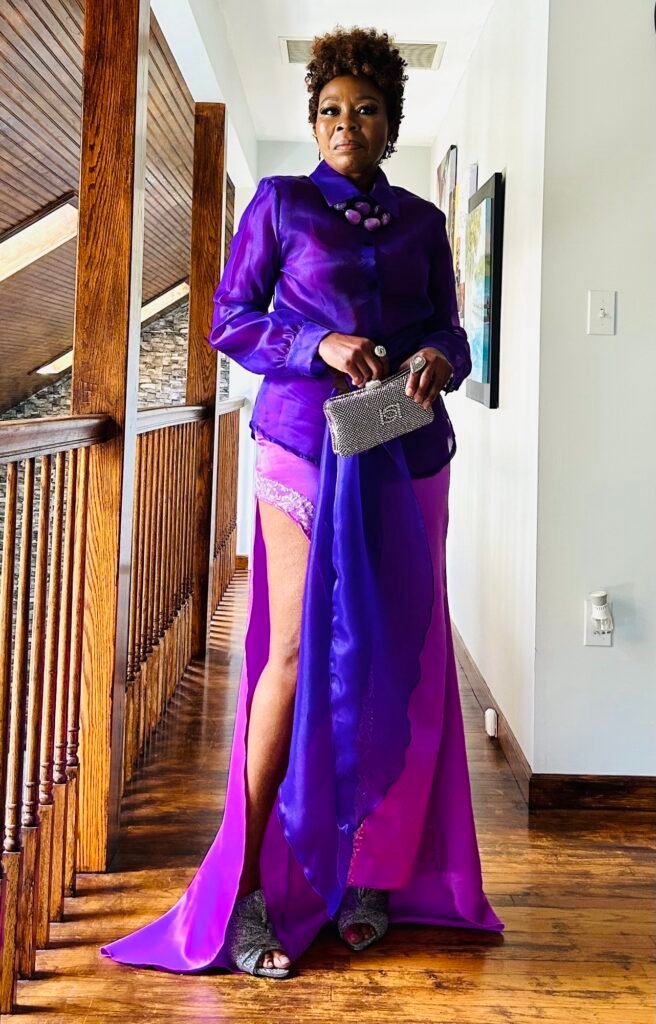
The same principles travel. A tailored coat in a boardroom and a gown at a gala speak different dialects of the same language. Proportion, restraint, silhouette, and cohesion do not change with the room. What changes is calibration. The practitioner reads the environment, anticipates perception, and adjusts. That is strategy, not chance.
Elegance, finally, is cumulative. It is not an accessory and it is not a night. It accrues in gesture, in consistency, in decisions repeated until they become character. Impact is the residue of construction. Those who understand this do not impose authority. They earn it.
Elegance is not inherited. It is built. It is not an accident of personality, nor a dividend of fortune. It is a system, a practice, and a philosophy carried out in material, proportion, and action. Those who accept the discipline communicate authority without strain, because their choices are deliberate, informed, and held. Style, at its highest register, is method made visible — a record of attention, and of the quiet power of intention.