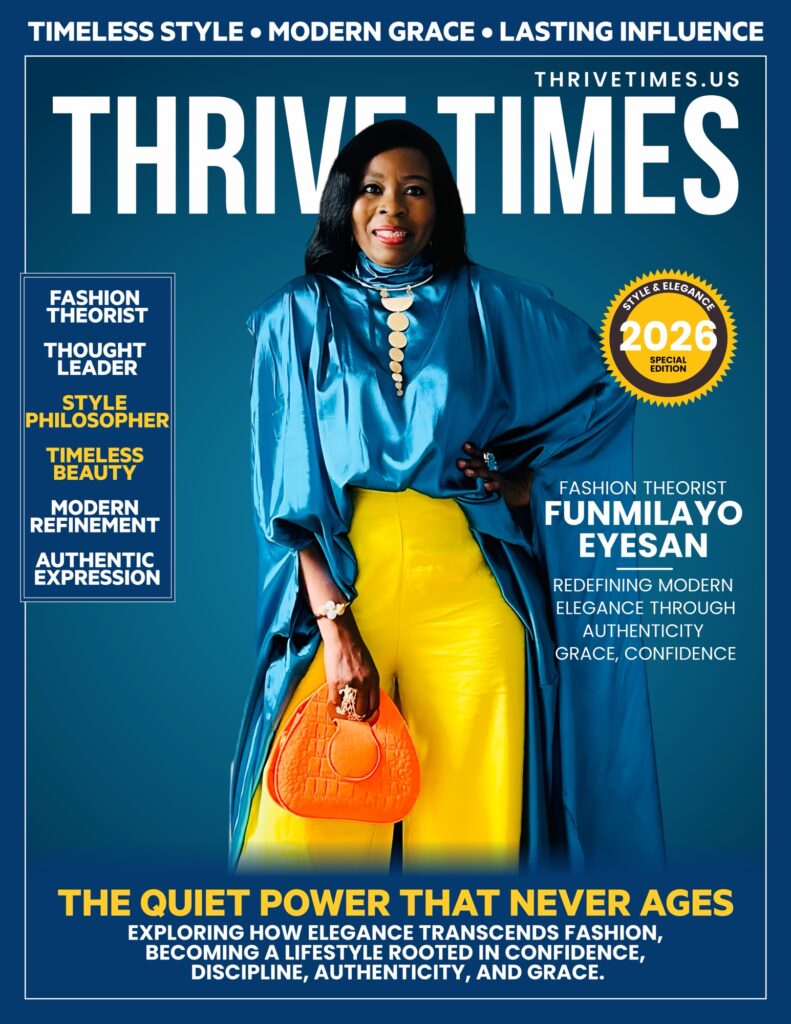
By Funmilayo Eyesan Fashion Theorist
Elegance is frequently mistaken for extravagance—for opulence, for excess. Yet true elegance is seldom loud. It does not announce itself or clamor for attention. Instead, it enters a room with quiet grace, and somehow the atmosphere itself seems to adjust.
Elegance is restraint exercised with intention. It is the art of knowing precisely when enough is enough—and when less communicates infinitely more.
In a culture obsessed with speed, spectacle, and constant novelty, elegance remains a quiet rebellion. It resists urgency. It refuses to chase. It simply endures.
The Essence of Elegance
Elegance is not a price tag, a logo, or a perfectly arranged aesthetic. It is a way of being—a posture, a presence.
You sense it in movement that is unhurried yet assured. You hear it in speech that is measured rather than performative. You see it in choices that feel considered, never impulsive.
Elegance is clarity. It is the quiet confidence of knowing who you are and expressing it without unnecessary explanation.
Elegance in Style
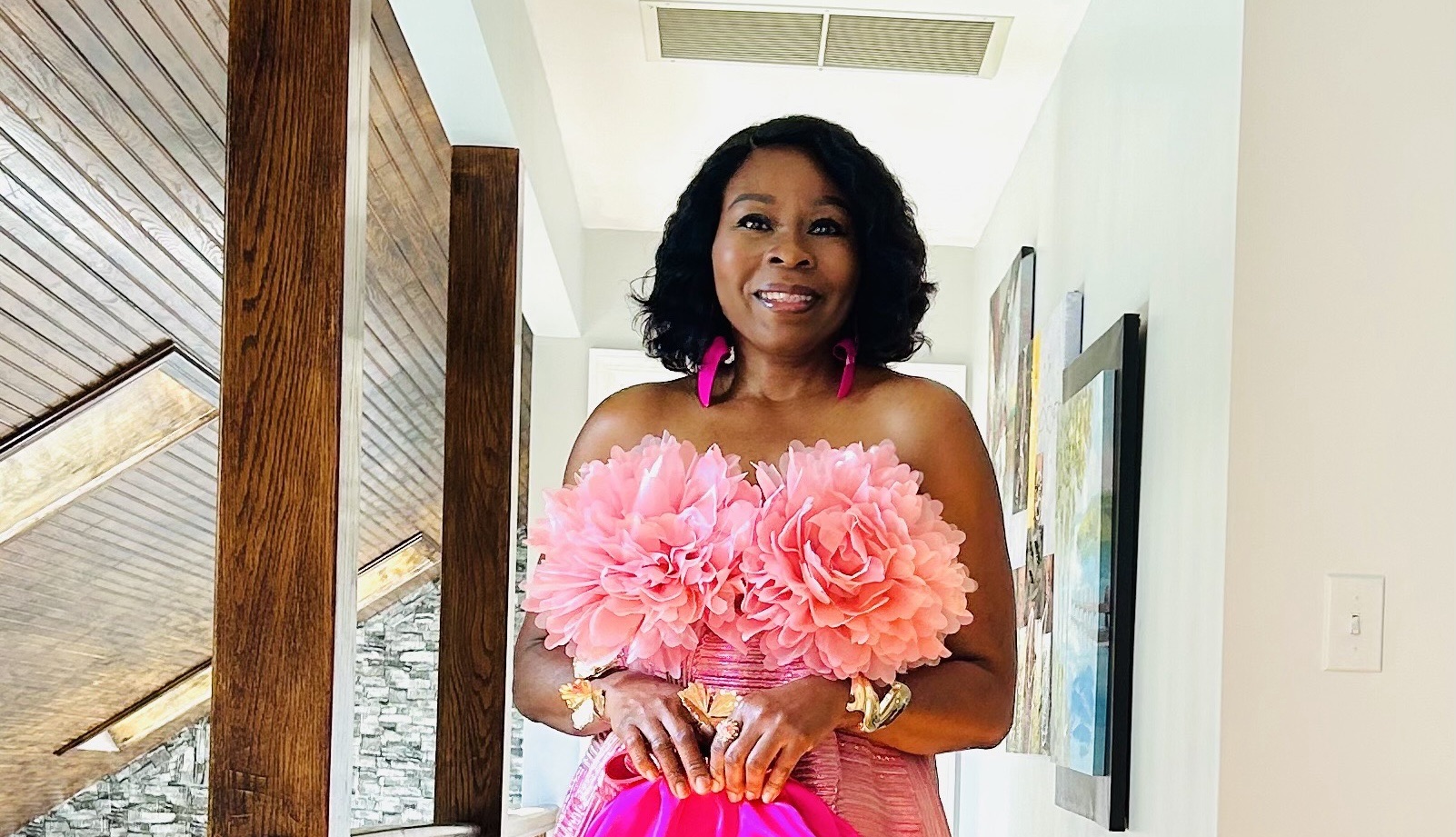
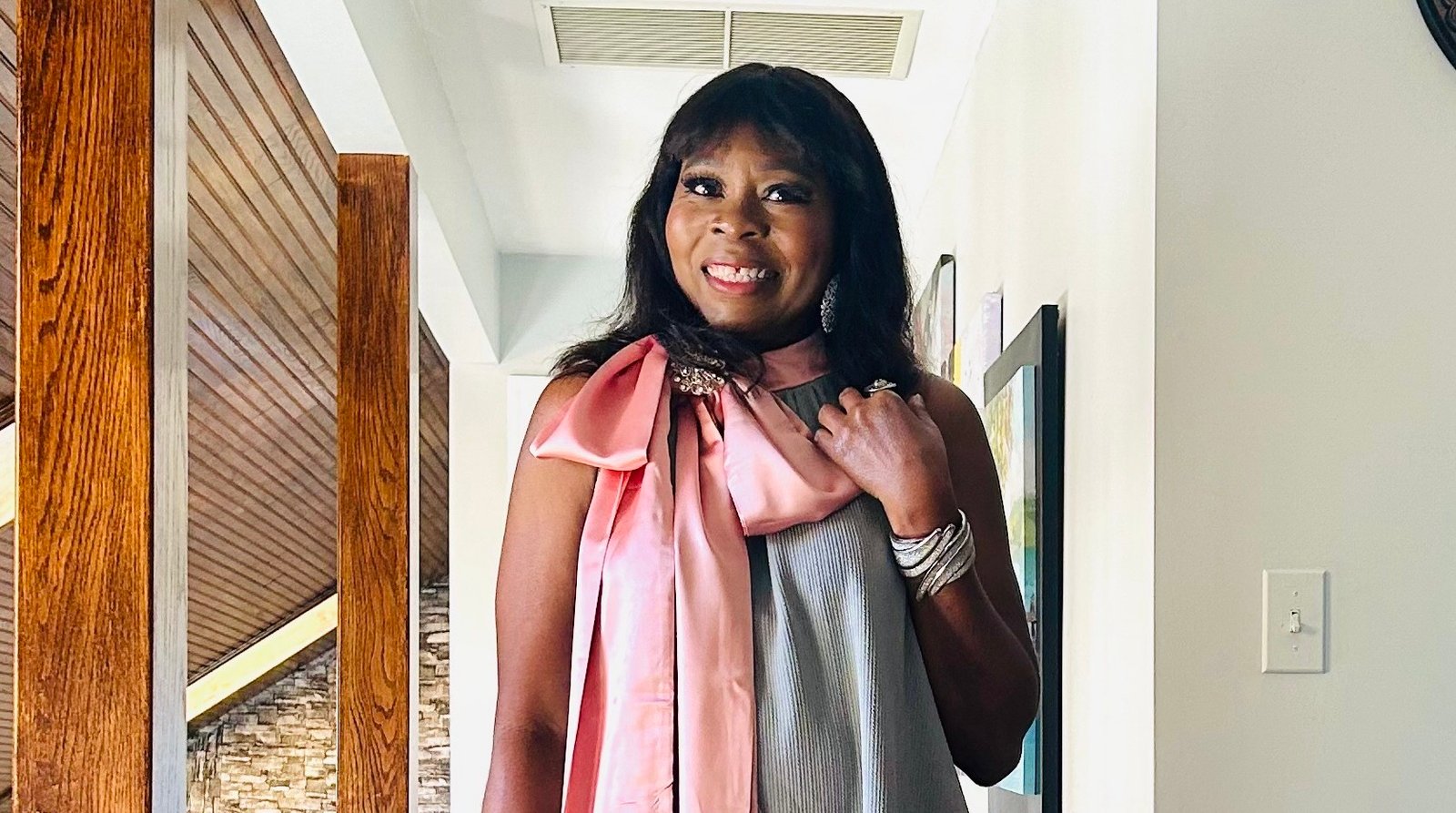
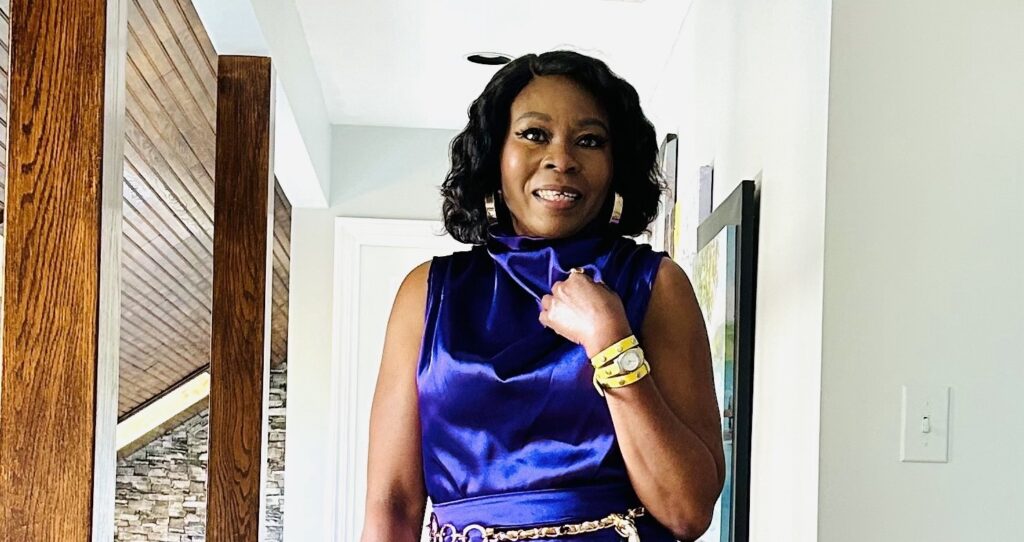
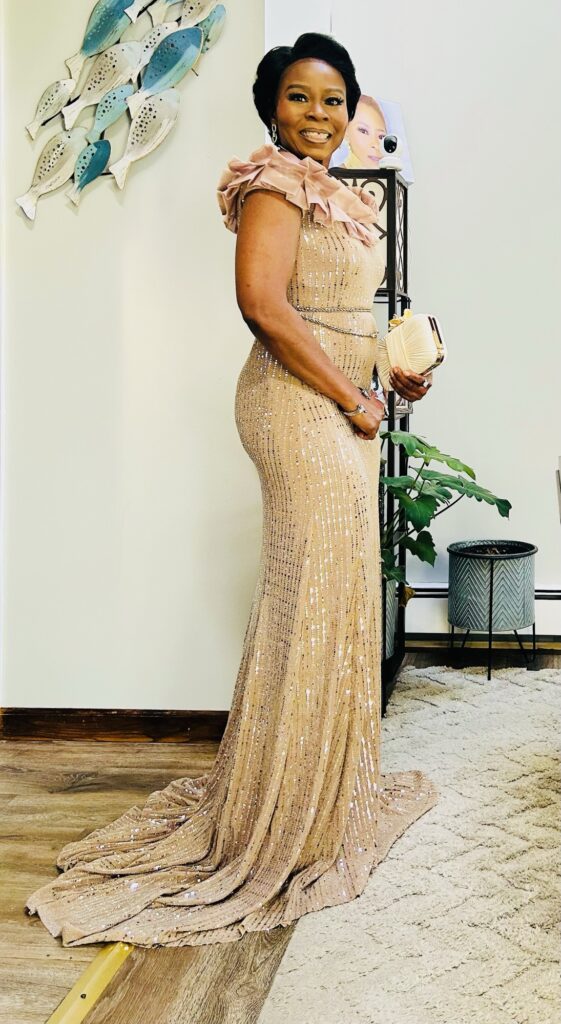
In fashion, elegance is defined not by how much you wear, but by how thoughtfully you wear it. It is balance—between structure and softness, simplicity and detail, heritage and individuality.
An elegant look does not beg for validation. It does not compete with the room. It coexists with it.
A beautifully cut silhouette, fabric that moves with natural grace, a color palette that feels intentional—these elements speak with quiet authority. Elegance understands proportion. It values harmony. It prizes craftsmanship over spectacle.
Trends expire. Elegance evolves.
Elegance Is Discipline
At its core, elegance requires discipline—the discipline to edit, to decline, to leave something out even when you could add more.
This principle extends far beyond clothing into behavior, communication, and daily life. Elegance chooses composure over chaos, depth over noise, meaning over momentary attention.
It is not rigid or cold. It is refined. It understands that true confidence needs no decoration.
The Emotional Intelligence of Elegance
Elegance carries a quiet emotional maturity. An elegant person does not rush to prove, explain, or dominate. They listen. They observe. They respond with intention.
Elegance understands timing. It knows when to speak—and when silence holds greater authority.
This is why elegance feels magnetic. It creates space. And in that space, people naturally lean in.
Modern Elegance
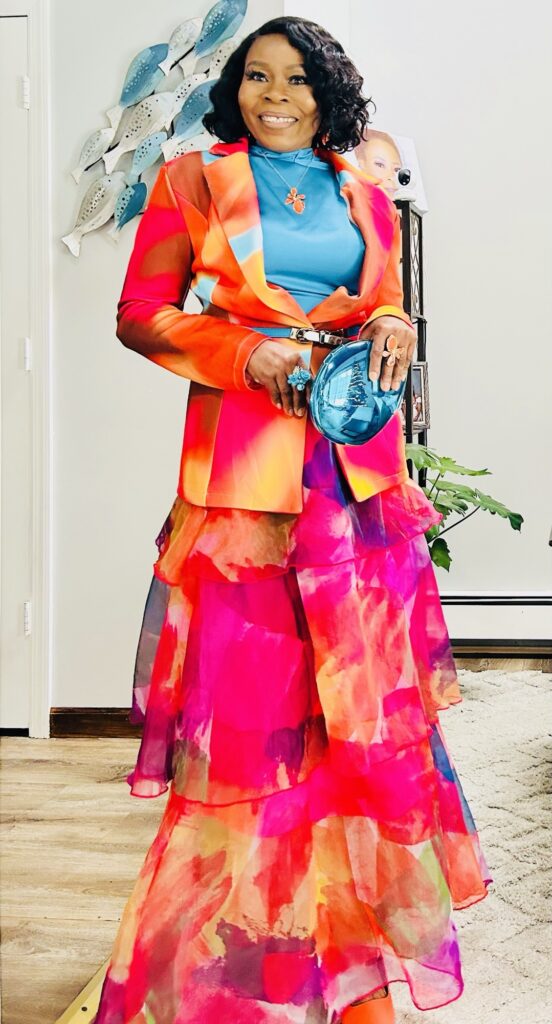
Modern elegance does not demand perfection. It makes room for individuality, softness, and even contradiction. It honors heritage while embracing contemporary realities.
Today’s elegance might pair sharp tailoring with effortless ease, or reference the past with fresh confidence. It welcomes innovation without ever abandoning integrity.
Modern elegance is authenticity, elevated.
Elegance as a Lifestyle
Elegance is not confined to what we wear. It reveals itself in how we live—in the environments we create, the relationships we nurture, and the boundaries we uphold with care.
It appears in punctuality, in genuine courtesy, in the respect we show when no one is watching.
Elegance is grace under pressure. It is calm without passivity, strength without aggression.
Why Elegance Will Always Matter
Because elegance is timeless. It does not age, expire, or lose relevance. It adapts while remaining rooted in principle.
In an age of oversharing and overstatement, elegance offers relief. It reminds us that beauty does not need to shout, that power can be quiet, and that presence can be profound without performance.
Elegance is not about being seen—it is about being remembered.
And those who embody it leave an impression long after they have left the room.