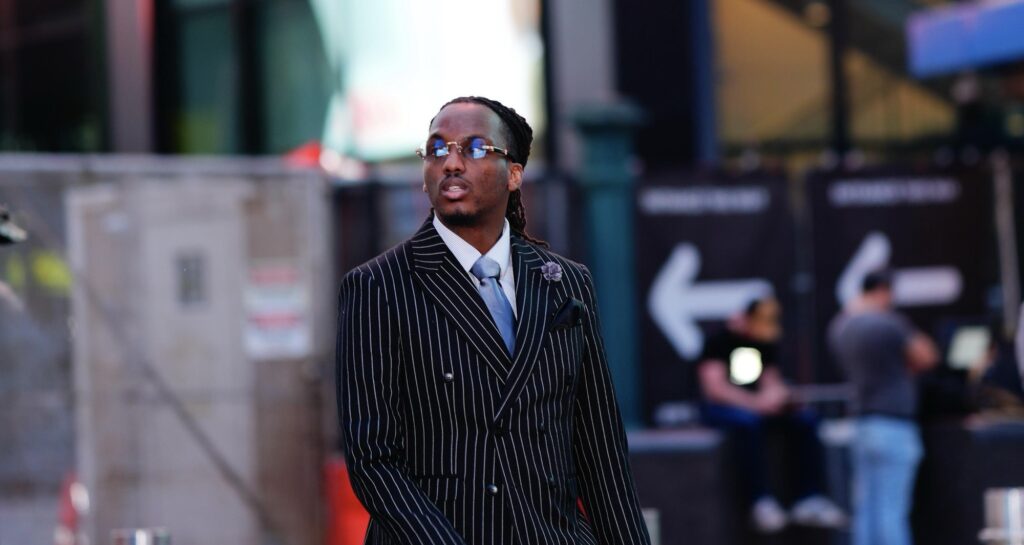
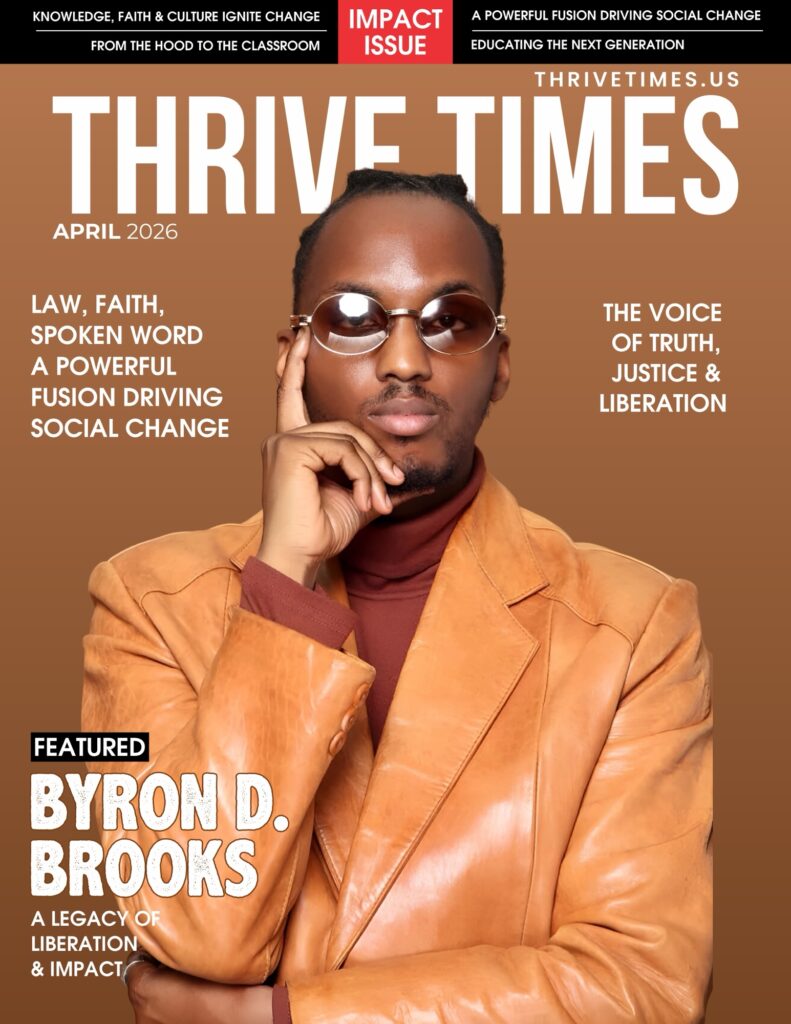
Some stories don’t start with privilege, opportunity, or stability. Byron D. Brooks begins life in a place most people would assume defines the end before anything begins—born in prison. The world tends to treat that kind of origin like a verdict. But in his case, it functioned more like a spark.
What followed was not escape from struggle, but formation inside it. And that changes everything.
Raised in Discipline, Shaped by Survival
Brooks was raised by his great-grandparents, Roscoe and JoEsther Corner, whose presence became structure in a life that had very little of it. They didn’t raise him in comfort—they raised him in conviction.
His early years were marked by instability: homelessness, displacement, and the kind of environments where security is not assumed but searched for daily. Parks, bus stops, abandoned spaces—these weren’t backdrops, they were classrooms. And in those spaces, he learned something that couldn’t be taught in traditional ways: how to endure without losing direction.
MoSoul: When Voice Becomes Identity
Before institutions recognized him, language did. Under the name MoSoul—“The HUSL Poet”—Brooks developed a voice that refuses to separate art from reality.
His writing and spoken word don’t aim to impress—they aim to expose. His book The Hood Needs Love Too: A Breath of Liberation & A Cry of Resistance carries that same tone. It reads like testimony shaped under pressure, where pain is not polished, but translated into something that demands attention.
From Margins to Institutions
Brooks’ path eventually carried him into spaces like Ferris State University, University of Michigan, Yale University, and University of Washington.
But the shift was never about arrival—it was about disruption. His presence reframed the space. What is usually lecture became dialogue. What is usually instruction became reflection. What is usually passive learning became active questioning.o
Inside Policy, Refusing to Be Symbolic
As part of Governor Gretchen Whitmer’s Black Leadership Advisory Council, Brooks operates within systems that often struggle with change from the inside.
His focus remains consistent: equity that is measurable, not performative. Representation that leads to outcomes, not optics.
Faith That Confronts Instead of Comforts
In his role at HopeWell Missionary Baptist Church, Brooks approaches ministry through the lens of Black Liberation Theology—where faith is inseparable from justice.
His perspective is direct: spirituality without liberation is incomplete. It may offer comfort, but it does not offer transformation. His work refuses that separation.
Recognition Without Retraction
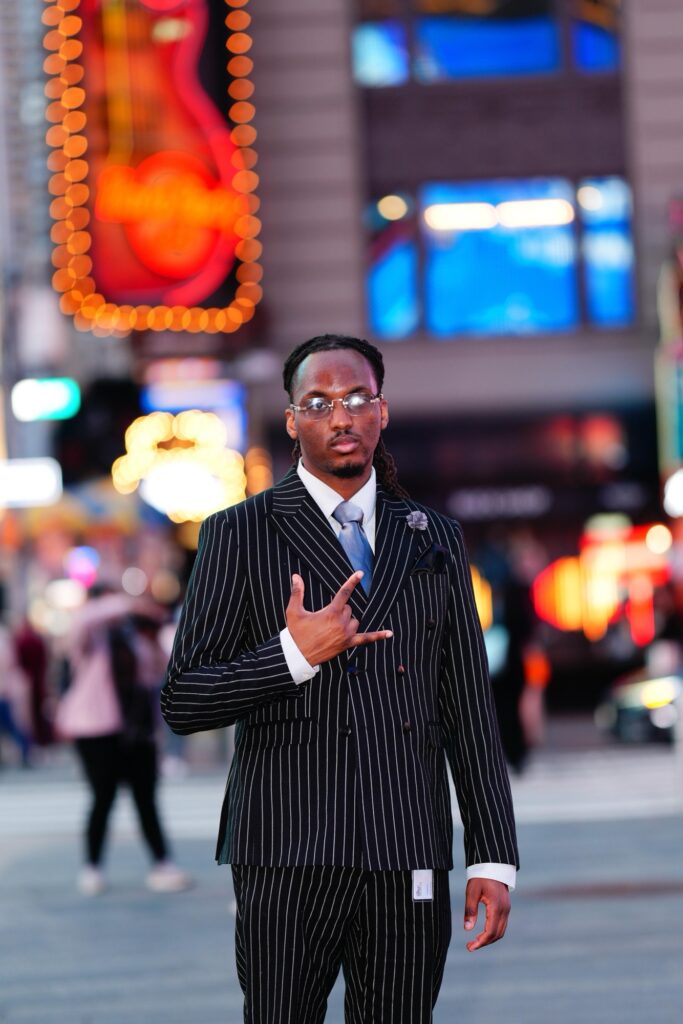
The Presidential Lifetime Achievement Award from the Biden-Harris Administration marked national recognition of his service and leadership. But for Brooks, recognition doesn’t redefine purpose—it reinforces it.
The work continues, regardless of acknowledgement.
Howard Law and the Architecture of What Comes Next
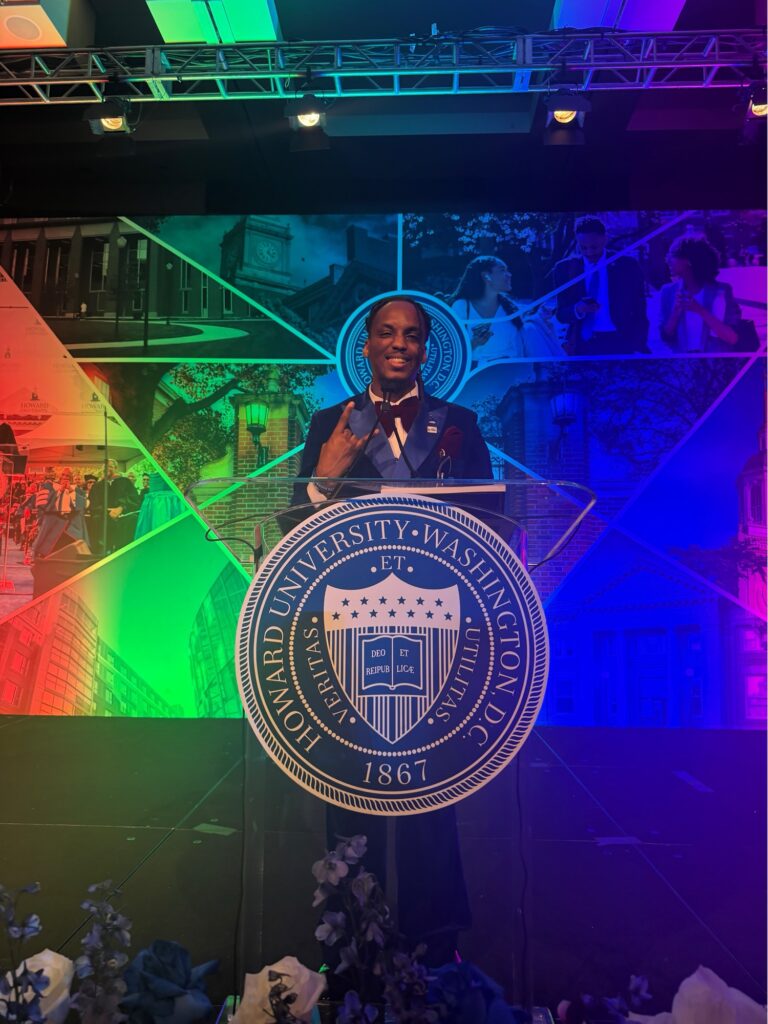
Now pursuing his Juris Doctor at Howard University School of Law, Brooks is entering the legal field with a specific intention: not assimilation into systems, but interrogation of them.
His goal is to build a boutique law practice focused on Civil Rights, Entertainment Law, Criminal Defense, and Community Justice—designed not just to operate within law, but to challenge how law is applied.
Still Becoming, Still Building
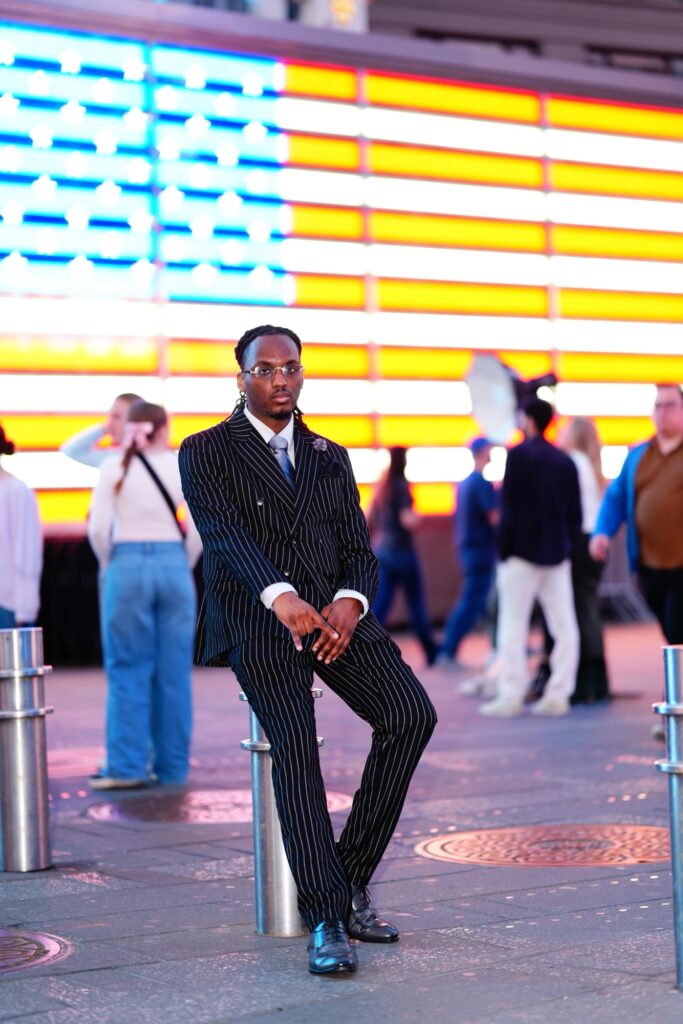
Byron D. Brooks is not framed as a finished narrative. He is in motion—between law and language, between institution and resistance, between history and what he is still actively building.
Not a symbol. Not a storyline. But a working blueprint for something still unfolding.