For decades, the color wheel has been treated as the holy scripture of fashion harmony. Its neatly organized spectrums—complementary, analogous, monochromatic—have guided designers, stylists, and everyday dressers through the logic of what “should” go together. But today’s style landscape is undergoing a quiet revolution. More and more, fashion lovers are setting aside strict rules and leaning into something far more personal: intuitive color mixing.
In a world where individuality is the new luxury, the conversation is no longer “What colors match?” but “What colors speak to me?”
The Color Wheel: Fashion’s First Teacher
The color wheel is more than a chart; it’s the backbone of classic styling. Its principles help define balance, contrast, and cohesion. For those new to fashion, it remains a brilliant compass:
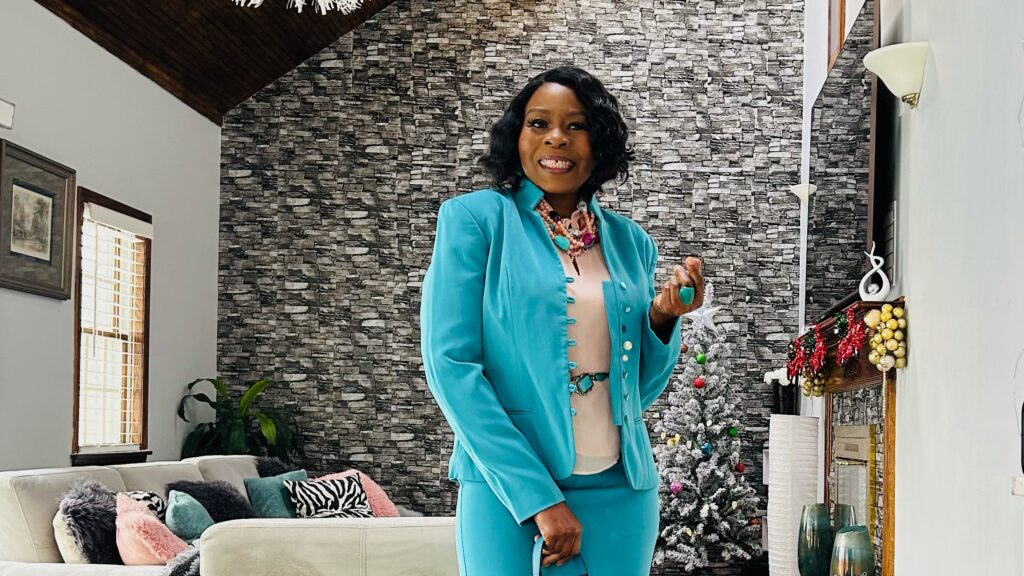
- Complementary colors create bold, high-impact statements.
- Analogous colors offer soft harmony.
- Triadic combinations deliver energy and visual interest.
- Monochromatic palettes showcase sophistication through subtlety.
The wheel teaches discipline. It creates structure, ensuring a look feels intentional rather than accidental. It’s an essential guide for understanding how colors communicate.
But fashion—and the people who wear it—has evolved.
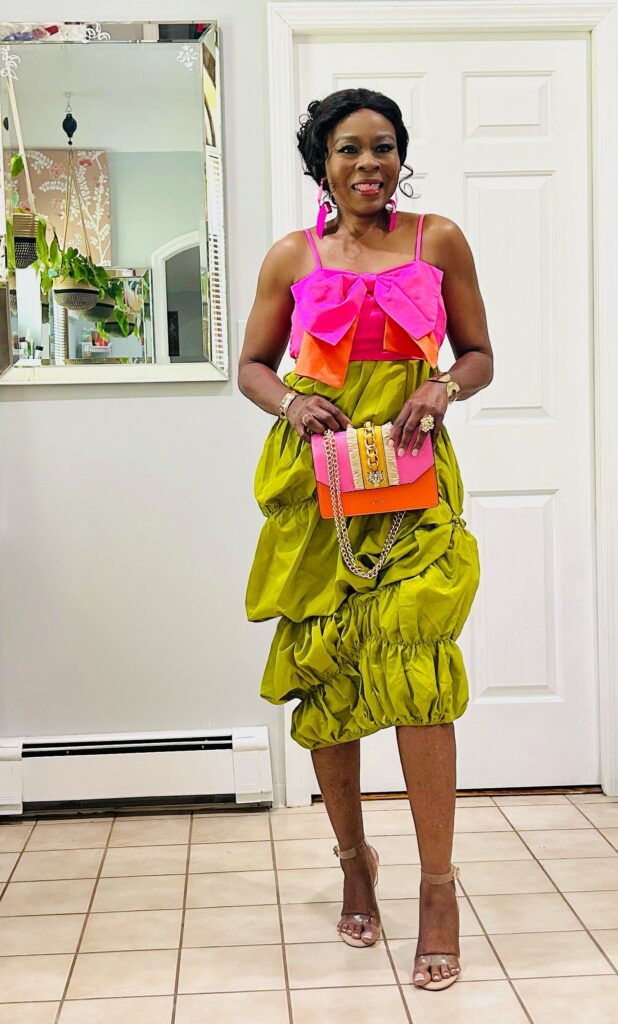
The Rise of Color Intuition
Color intuition is the art of feeling your way into an outfit rather than calculating your way through it. It’s about choosing shades that resonate with your mood, your personality, or the story you want to tell that day.
Intuitive dressers don’t ask, “Are these colors supposed to go together?”
They ask, “Do these colors excite me?”
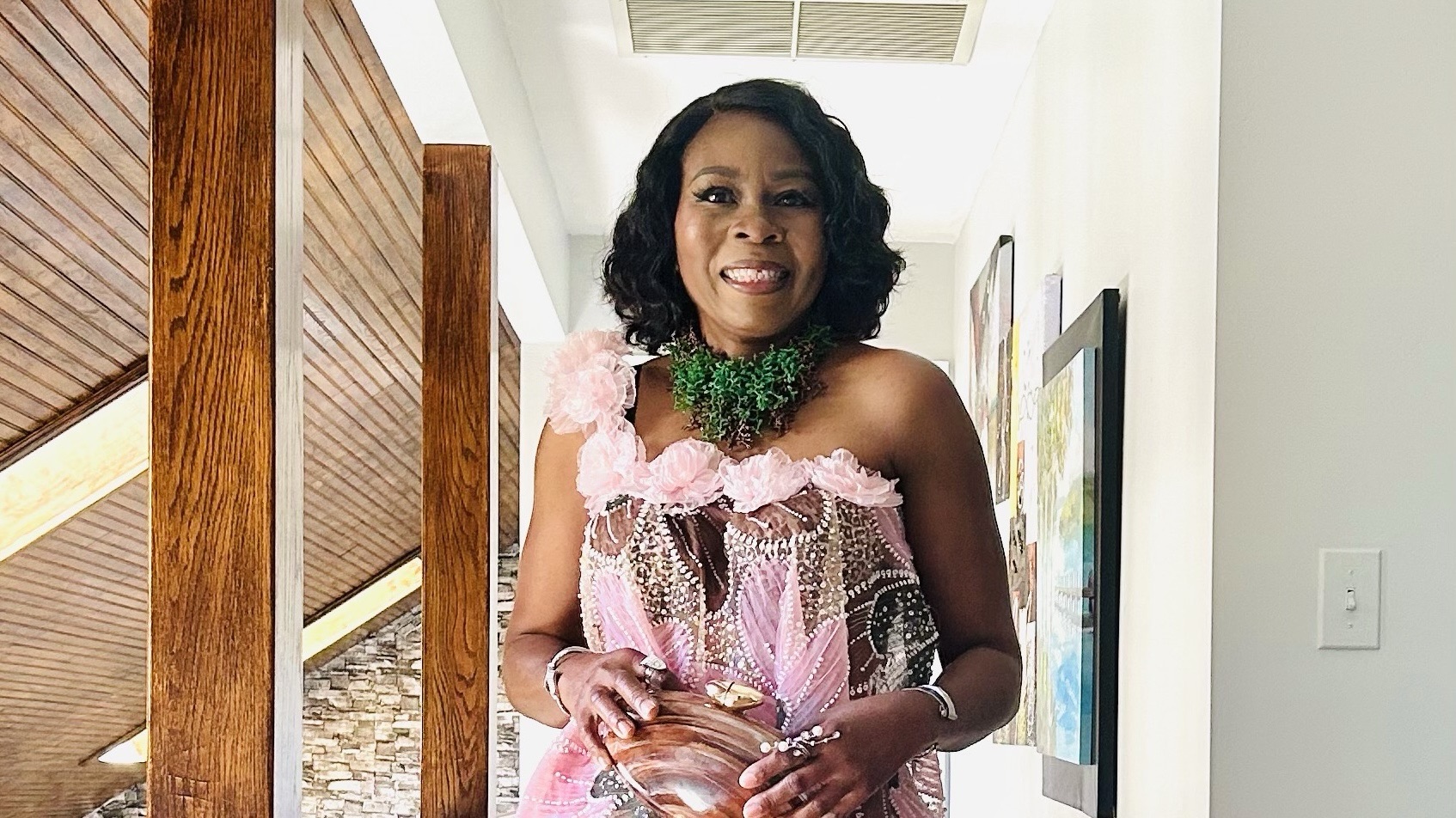
This approach embraces unexpected combinations:
- Forest green with fuchsia
- Mustard with lavender
- Burnt orange with icy blue
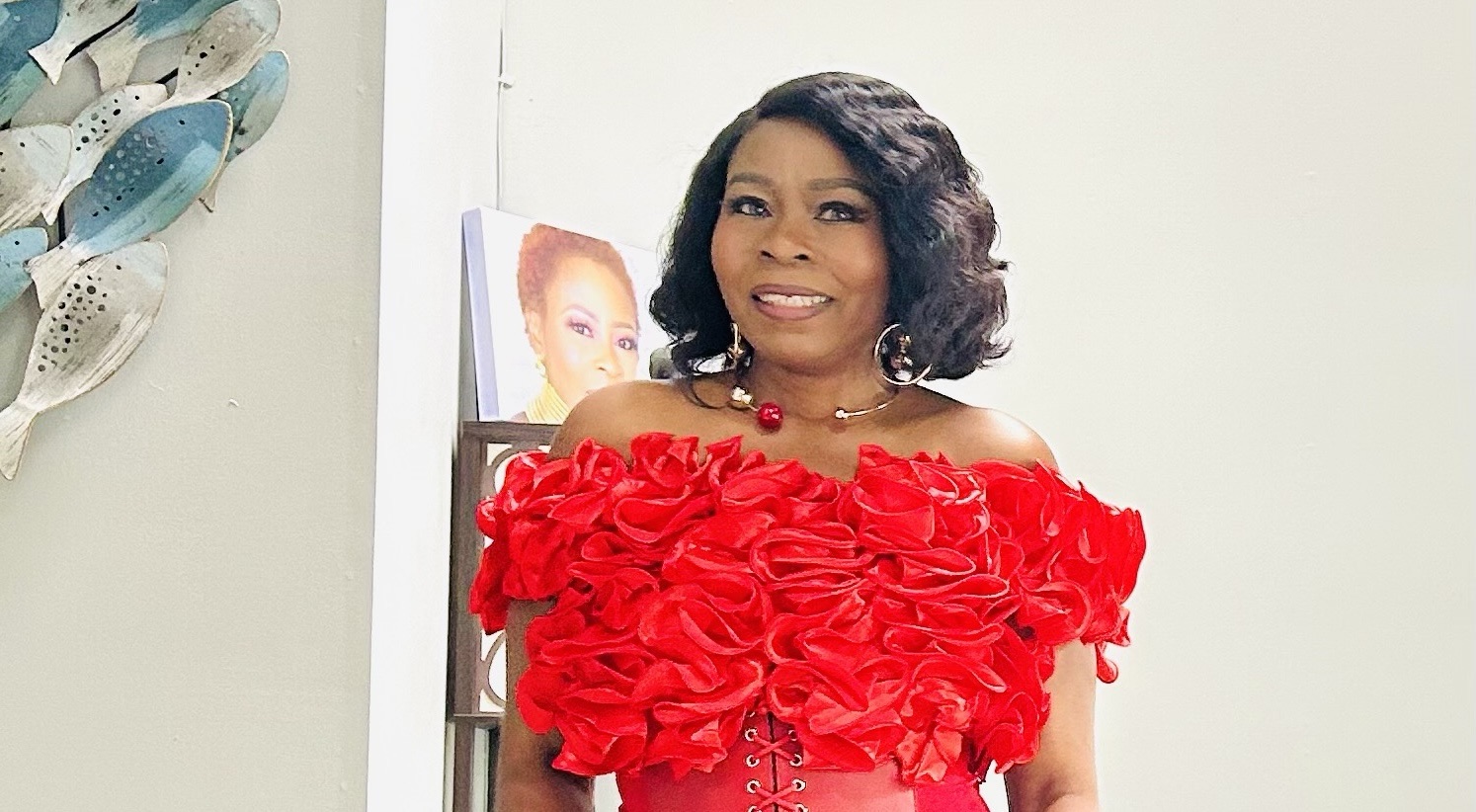
- Red layered over scarlet for a tonal clash that somehow works
It is fashion without fear—creativity without permission.
Where Theory Meets Instinct
The most compelling fashion often emerges from a blend of understanding and spontaneity. Knowing the rules allows you to break them beautifully.
Throughout fashion history, true innovation has rarely come from strict obedience to theory. It has emerged when designers and dressers alike trusted emotion, culture, and instinct—allowing color to clash, vibrate, and evolve in ways no wheel could predict.
Those who master both theory and intuition tend to:
- Use the color wheel as a foundation, not a cage
- Lean into intuition to express mood and personality
- Layer traditional harmony with modern experimentation
- Develop a signature color language that feels uniquely their own
This balance is what separates dressing well from dressing memorably.
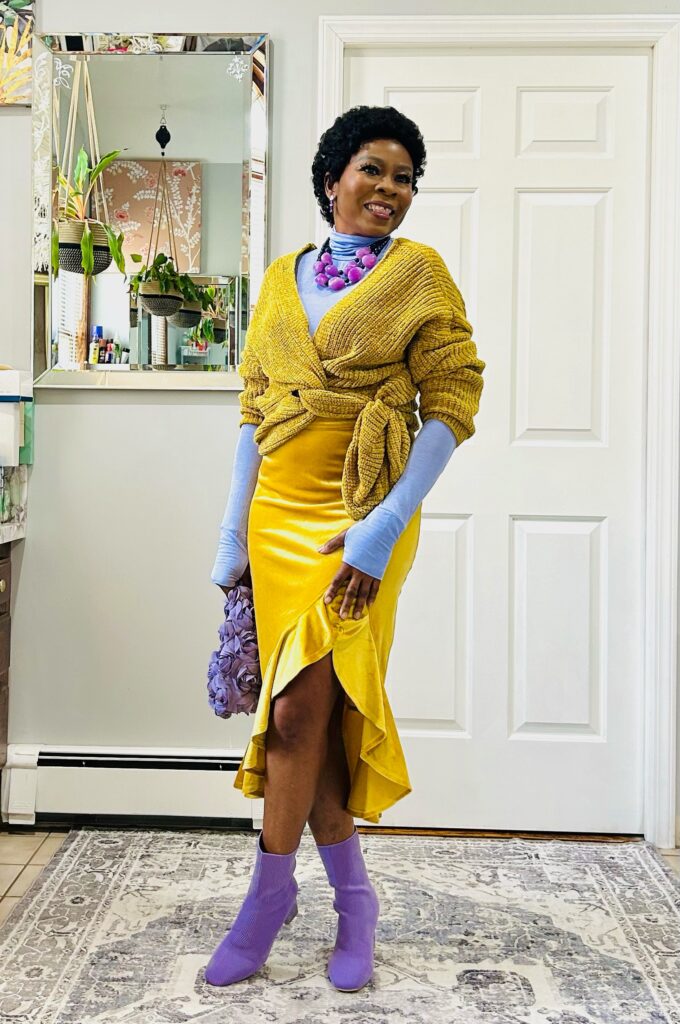
Why Intuition Matters More Today
Social media, street style, and the global mixing of aesthetics have reshaped the modern eye. We’ve become more comfortable with contrast, more curious about unconventional pairings, and more expressive with color.
In a world saturated with trends, authenticity stands out. Intuitive color mixing allows an individual’s personality to shine through their palette—something no chart, algorithm, or trend forecast can predict.
The Future of Color in Fashion
The most stylish dressers today are fluent in both theory and instinct. They understand color as both science and feeling. The wheel provides structure, but intuition provides soul.
Fashion is richest when color is allowed to tell its own story—sometimes neatly aligned with the rules, sometimes breaking them with confidence.
Because great style isn’t just about what matches.
It’s about what moves you—and gives you the confidence to wear it.